
Etiopie Lalesa Honey
Code: 2543/250 2543/1 2543/251 2543/2 Choose variantRelated products


Product detailed description
“When I first heard about the Lalesa project and its focus on supporting female farmers, I just had to taste it. And wow, it absolutely blew me away. The unconventional honey processing gives this coffee a completely unique flavor profile of wild berries and rum pralines, which you can enjoy both as a filter and an espresso! I already know what I’ll be drinking this Christmas!””
-Luke, Co-Founder and Head Roaster DOS MUNDOS
Tasting Notes
wild strawberries, rum pralines, chocolate-covered orange, lavender
acidity 3/5, sweetness 5/5, body 3/5
Recommended Brew Method: Espresso or Filter
Ethiopia - Lalesa Honey
Country of Origin: Ethiopia
Region / Zone: Gedeo, Gedeb district (Lalesa kebele)
Processing Station / Farm: Lalesa (Ephtah Specialty Coffee)
Altitude: 2100 – 2200 masl (meters above sea level)
Variety: Heirloom (indigenous Ethiopian varieties)
Processing Method: Yellow Honey (semi-washed)
Drying: Raised African beds, shade-dried for 14-18 days
Harvest: Spring 2026
This Lalesa Gedeb Yellow Honey: A Gem from the Ethiopian Gedeo Region by Ephtah Coffee
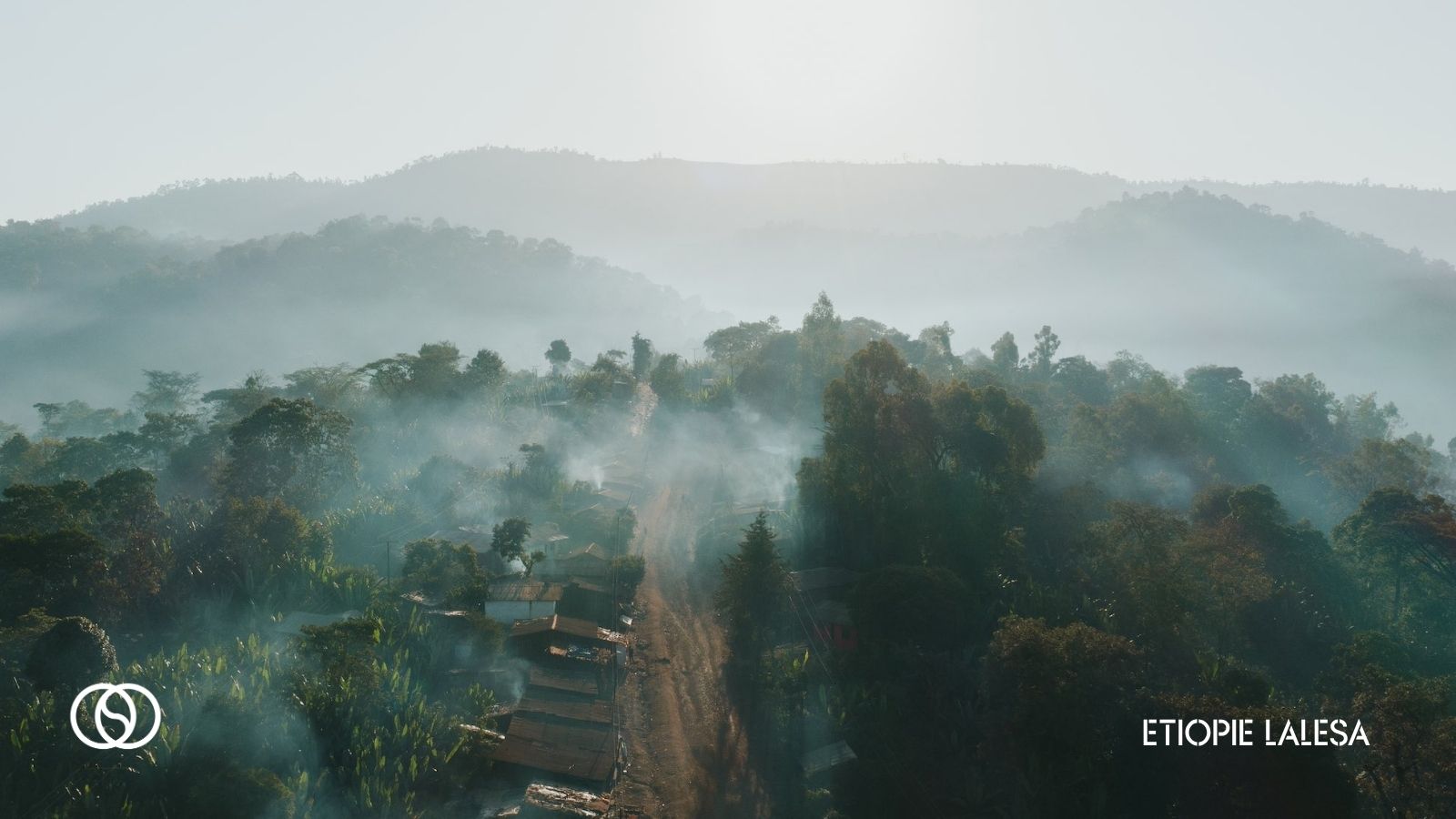
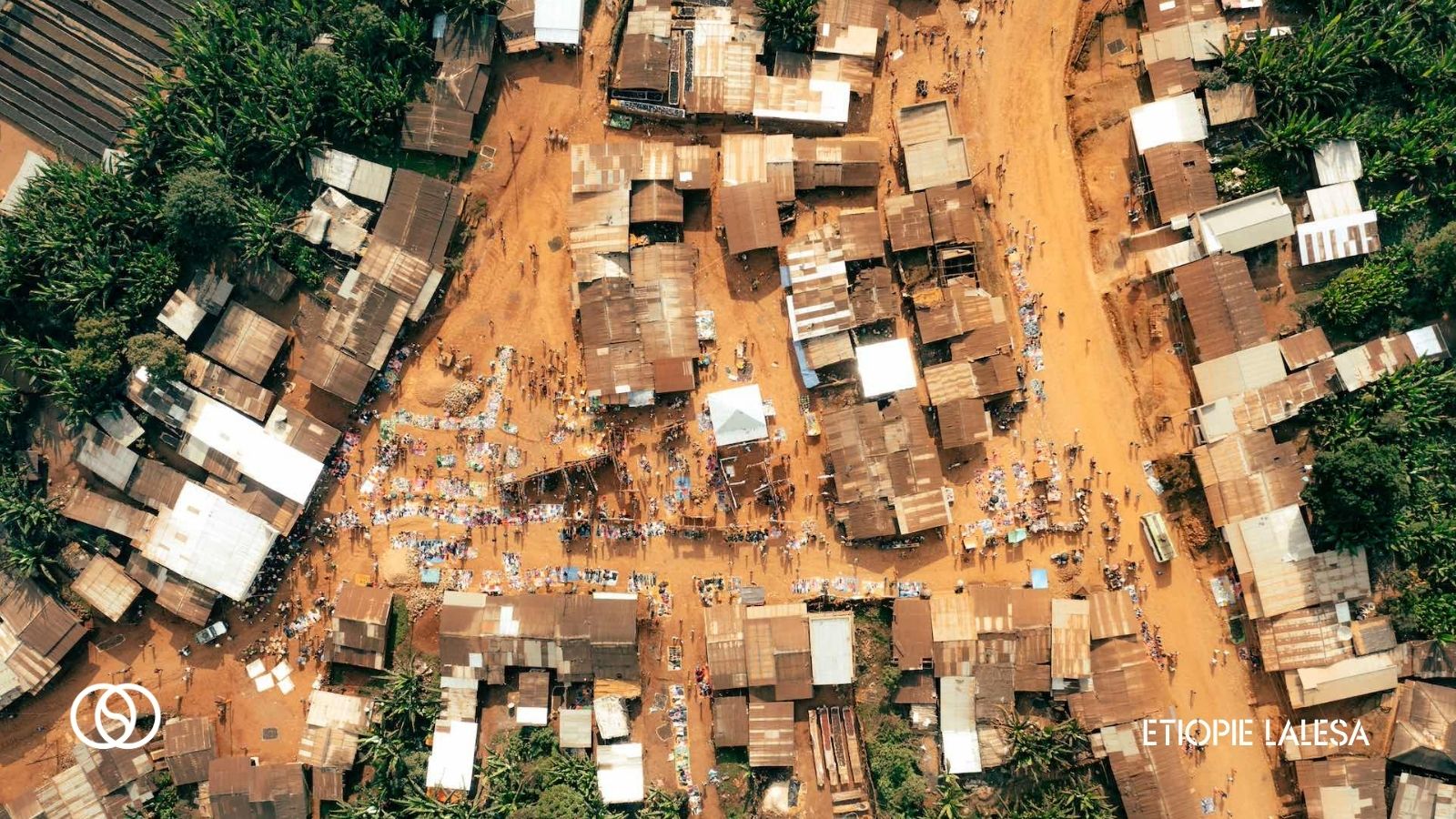
The Lalesa Gedeb Yellow Honey coffee comes from the very south of the Ethiopian Gedeo zone, from the village of Lalesa in the renowned Gedeb coffee district. The coffee trees here grow at respectable altitudes between 2,150 and 2,200 m in a naturally shaded agroforestry environment, where ensete plants (so-called false bananas) play an important role. The station buys ripe cherries of the 74110, 74112, and indigenous wild varieties (Heirloom) from smallholder farmers in the immediate vicinity. Immediately upon reception, the cherries undergo selection and flotation in water tanks, which reliably separates the less mature, lower-density cherries and ensures that only the finest beans are processed.
Thoughtful Honey Processing
In the honey method, after the outer skin is removed, the coffee beans are dried along with the remaining sweet, sticky fruit pulp (mucilage). This approach requires constant turning and monitoring on the African beds to ensure the beans dry slowly, stably, and without any unwanted fermentation. The result is a cup with pronounced natural sweetness, a velvety body, and subtle notes of ripe fruit and florals that are so typical of native Ethiopian varieties.
The processing of this lot differs from standard practices, combining precise timing with the protection of the beans from temperature shocks:
One-day resting of the cherries: After sorting, the cherries are not pulped immediately. First, they are left to rest for a day on raised beds, which allows for a further concentration of sugars within the pulp and increases the proportion of sticky mucilage around the bean.
Pulping while retaining the mucilage: Subsequently, the cherries are gently stripped of their outer skin and, with the mucilage fully retained, they are moved to the drying beds.
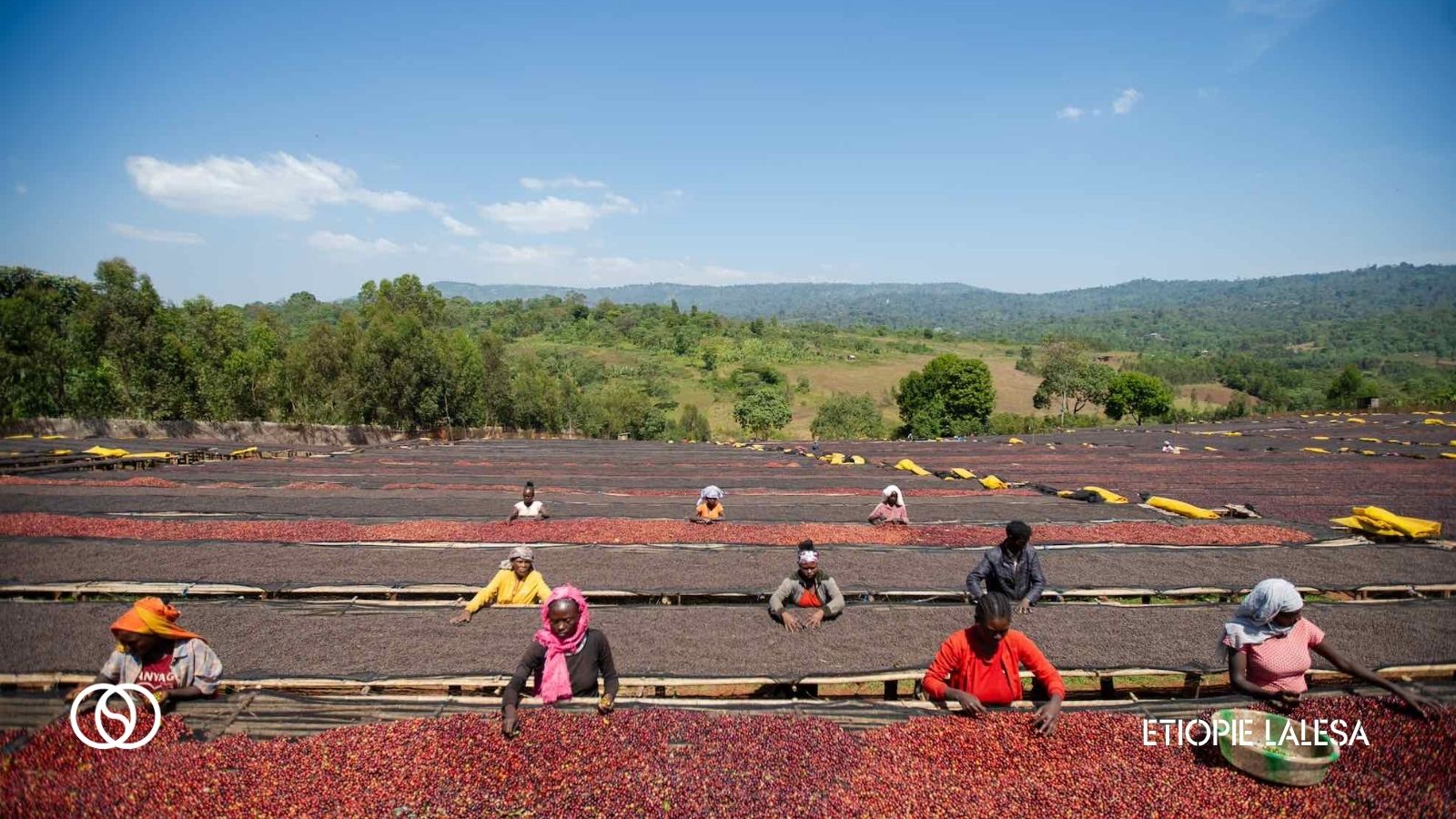
Slow shade drying: Drying takes place slowly and in a controlled manner under shade nets for 14 to 18 days. It is this shade that protects the beans from harsh sunlight and overheating, ensuring an even moisture loss and promoting the development of pronounced sweetness, a velvety texture, and layered complexity in the cup.
A Women’s Vision in Export: Ephtah Specialty Coffee
Behind the export of this microlot is Ephtah Specialty Coffee—an Ethiopian export company founded and led by women, under the leadership of Wubit Bekele. The experienced team builds on long-term and fair relationships across premier growing regions like Gedeo, Guji, Sidama, and West Arsi. At the Lalesa processing station, Ephtah focuses on uncompromising quality control as well as social impact. During the harvest, it provides job opportunities to the wider local community and places extraordinary emphasis on actively integrating women into all stages of the production chain.
After drying and stabilization, the coffee rests and is then transported to the Moplaco dry mill in Addis Ababa, from where it heads by rail to the port in Djibouti.
Brew Recipe


Discussion
Be the first who will post an article to this item!